
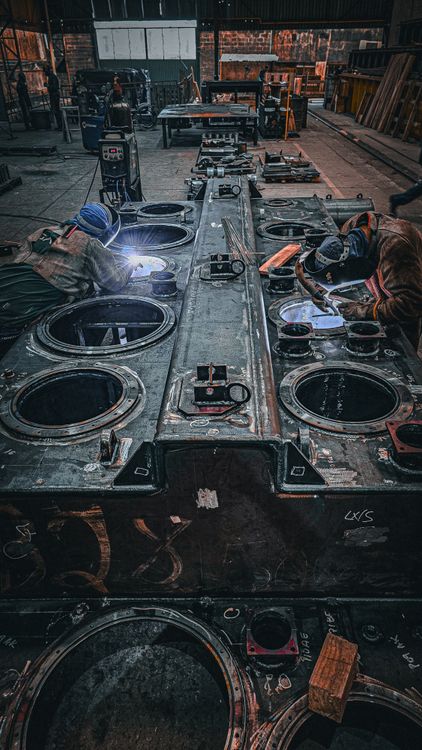
Skilled trades are woven into the economy of Virginia, Minnesota and the wider Iron Range. The region’s mining heritage is the most visible reason, but modern demand reaches much farther. Heavy trucks need maintenance. Commercial buildings need heating, cooling and refrigeration service. Manufacturers need machine operators and fabricators. Construction companies need carpenters. Property and agricultural operations need equipment operators. Every one of those activities depends on people who can diagnose problems, use tools safely and keep essential equipment working.
In August 2026, the Brainerd/Grand Rapids Express Employment Professionals job board reflected that range of demand. Virginia-area listings included diesel mechanic and HVAC/refrigeration opportunities. Elsewhere in Northern Minnesota, Express was also recruiting mechanics, an HVAC technician, a press brake operator, a machine operator, an equipment operator and an experienced carpenter. Together, these openings show why “skilled trades” should be understood as a collection of overlapping capabilities rather than one narrow career category.
Mechanical aptitude travels well
A mechanic who understands engines, hydraulics, electrical systems, welding and preventive maintenance can often move between industries over time. The exact equipment may change—from passenger vehicles to trucks, trailers, powersports machines, construction equipment or industrial systems—but employers consistently value troubleshooting ability and safe work habits.
That flexibility is especially useful on the Iron Range. A worker may spend part of a career directly connected to mining and another part servicing fleets, contractors or businesses that support the regional economy. The better a candidate can explain transferable skills, the more opportunities become realistic.
HVAC matters more in a northern climate
Heating and cooling work is important everywhere, but northeastern Minnesota makes system reliability especially visible. Long winters create urgent demand for technicians who can diagnose furnaces, boilers, controls and related systems. Commercial refrigeration adds another layer of technical work for restaurants, stores and facilities. Employers often look for people who can combine mechanical competence with customer service because technicians frequently work directly in homes and businesses.
Candidates can strengthen their position by documenting years of experience, the equipment they have serviced, refrigerant or trade credentials, boiler experience, electrical troubleshooting and whether they have a clean driving record. Employers want to know what a technician can safely handle without constant supervision.
Manufacturing skills can be a gateway
Press brake and CNC machine-operator roles show another path into skilled work. Blueprint reading, measurement, basic math, quality checks and attention to tolerances are valuable in manufacturing. Someone who learns to operate equipment reliably can build toward setup, programming, quality, maintenance, lead or supervisory responsibilities.
For a new worker, a production or machine role can become a paid classroom. Showing up consistently, learning measurement tools and asking to understand the process behind the machine can turn an entry point into a long-term trade career.
Employers are buying reliability as much as skill
Technical ability alone is not enough. Northern Minnesota employers also need people who arrive when scheduled, work safely, communicate clearly, protect equipment and can function through seasonal conditions. A commercial driver must manage logs and inspections. A mechanic must document repairs. A carpenter must read plans and coordinate with a crew. An HVAC technician must explain findings to a customer. These “work habits” are part of the skill set.
Building a stronger skilled-trades search
Job seekers should create a resume that inventories tools, equipment, certifications and systems rather than relying on a generic job-title list. Include welding processes, CDL endorsements, machine controls, diagnostic software, HVAC systems, blueprint reading, forklifts, lifts or other equipment you can operate. If you can pass required background, driving or drug-screen standards, be ready to discuss that early in the process.
Virginia is a useful base for a skilled-trades search because nearby communities function as one labor market. Search both city-specific and regional openings, use the ExpressJobs App to watch for changes, and talk with the local Express team about skills that may match opportunities that have not yet appeared in a public search.