
A Virginia-area move can feel simple on a map and complicated in real life. The job may be in Virginia, the clinic may be in Mountain Iron, the school may be in Eveleth or Gilbert, and the easiest way to move between them may be a bus, a trail, or a short campus commute. That is why the practical question for newcomers is not just where to work, but how the whole week connects.
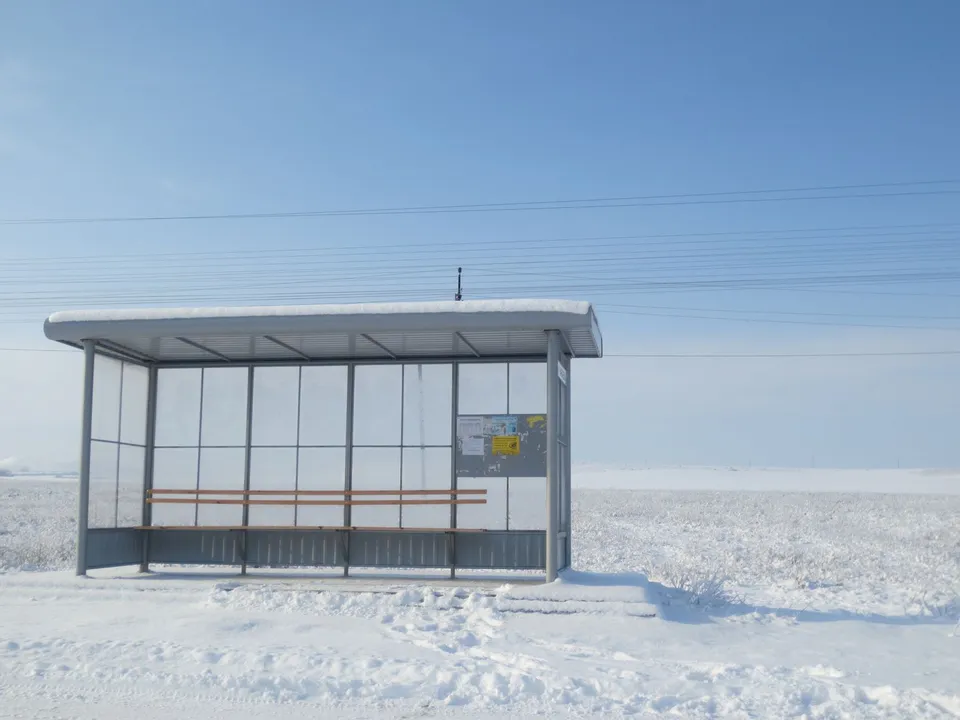
Virginia’s public transit system gives that question a real answer. Arrowhead Transit’s North St. Louis County service page says the agency offers dial-a-ride within Virginia and Mountain Iron, scheduled service in Eveleth and Gilbert, and bus service from Virginia to Duluth. It also lists a Virginia bus route with stops at places people actually use—Essentia, the mall, Super One, Target, and other daily destinations. The published schedule matters because it shows how local work life really functions: some shifts will line up with transit, and some will not. The same page shows Virginia and Mountain Iron dial-a-ride hours and fares, which makes the commute feel less abstract and more like a planning problem you can solve before the first day on the job.
That same mobility pattern shows up in the city’s trail work. Virginia says the Silver Lake Trail project is meant to support safe multimodal transportation between schools, parks, recreation facilities, and downtown. That is a useful detail for anyone relocating for work, because it means the trail is not only a leisure feature. It is part of the everyday route network for students, parents, and employees who move through town on foot or by bike. In a city where school, errands, and work are often spread across more than one address, a trail that connects major destinations can save time, reduce friction, and make a car-light routine more realistic.
Schools are part of the same equation. Rock Ridge Public Schools says its district combines Virginia, Eveleth, and Gilbert, while Mesabi East serves Aurora, Hoyt Lakes, and Biwabik. For a working household, that is more than a boundary line. It shapes bus routes, childcare timing, extracurricular schedules, and which side of town makes the most sense for housing. A family moving for one adult’s job may still need to think first about the child’s school district, especially when a job site is in Virginia but the most workable home is in one of the nearby communities. The district structure also helps explain why two households with similar incomes can make very different housing choices: the school calendar and commute map are built together, not separately.
Campus housing adds another layer for trainees and early-career workers. Minnesota North College says Mesabi Range Virginia offers student housing, and its student residential life page says Eveleth students may live at the Virginia campus because Eveleth does not have on-campus housing. That is a concrete relocation fact, not just a college amenity. If a person is coming to the Range for training, a short program, or a transition into a new field, the campus choice may determine whether the move is possible without a long daily drive. Minnesota North College also describes the Virginia campus as serving health, education, business operations, and related fields, while the Eveleth campus leans more technical and shop-oriented. For applicants, that split can help turn a broad career interest into a more realistic short list of programs.
Health care is another reason the local map matters. Virginia’s medical-facility page lists Essentia Health-Virginia and Laurentian Medical Clinic, while Mountain Iron hosts Fairview Mesaba Clinic. That means routine care, follow-up visits, and some support services may happen across city lines even when you live and work in the same general area. For someone relocating, that matters as much as grocery shopping or daycare. A new hire may be perfectly satisfied with the job itself and still struggle if prescriptions, appointments, or family care need a second commute that was never part of the original plan. Virginia’s own city pages make clear that the region functions as a connected service area, not a set of isolated towns.
That broader service area helps explain why Virginia can feel both small and busy at the same time. The city describes itself as a regional hub for commerce, healthcare, education, and retail, and its website points residents toward the public library, senior center, volunteer opportunities, parks, public works, and public utilities. In other words, daily life here is not organized around one downtown block or one employer. It is built from institutions. A newcomer who notices that early usually settles more easily, because the real question becomes not “Where is the city center?” but “Which places do I need in my week, and how do they connect?”
For applicants, the lesson is straightforward: do not judge a Virginia-area offer by the job title alone. Put the shift next to the bus schedule, the school district, the clinic you would use, and the housing you can actually reach. If those pieces line up, the move can feel manageable instead of improvised. If you are comparing current openings, start with Virginia jobs and map the role against your real commute and household needs before you say yes.